

In today’s fast-paced business world, effectively using data is crucial for success. The emergence of Generative Artificial Intelligence (AI) has brought new possibilities to Business Intelligence (BI), changing how organizations analyze data, make decisions, and improve overall performance. In this blog post, we’ll explore the various ways Generative AI is applied in BI and how it’s reshaping the landscape of data-driven decision-making.
Boosting Accuracy in Predictive Analytics:
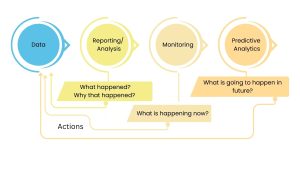
Generative AI plays a crucial role in creating realistic data to enhance existing datasets. This helps improve the accuracy of predictive analytics models. By generating synthetic data, organizations can train machine learning models more efficiently, leading to better-informed business predictions.
Streamlining Insights with Natural Language Processing (NLP):
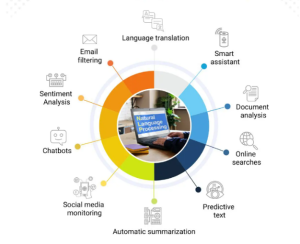
Generative models, especially in Natural Language Processing (NLP), are changing how reports and insights are generated. Automating the report generation process allows analysts to save time, focusing on interpreting results rather than spending hours on manual report creation. This efficiency boost speeds up how businesses respond to changing market dynamics.
Early Warning Systems for Business Operations:
Generative models excel at learning normal patterns within datasets, allowing them to identify anomalies or deviations. This capability serves as an early warning system for potential issues or fraudulent activities in business operations. Swiftly flagging anomalies enables organizations to proactively address problems before they escalate.
Forecasting Future Trends and Business Metrics:
The predictive power of Generative AI models is a game-changer for businesses. These models can forecast future trends, sales, demand, and other key metrics by analyzing historical data. This foresight empowers organizations to make strategic decisions, allocate resources efficiently, and stay ahead of market fluctuations.
Making Data Accessible Through Interactive Visualizations:
Generative algorithms are changing how business users interact with data. By creating interactive and dynamic data visualizations, these algorithms simplify the process of exploring data, identifying trends, and gaining insights. Visually appealing dashboards enhance the accessibility of complex data, making it more understandable for a wider audience within the organization.
Efficient Management Through Data Analysis:
Generative AI optimizes supply chain processes by analyzing historical data and predicting demand fluctuations. This capability facilitates efficient inventory management, reducing costs associated with overstock or stockouts. Organizations can streamline their supply chains, ensuring products are available when and where they are needed.
Ensuring Reliability Through Error Identification:
Generative models play a crucial role in identifying and correcting errors or missing values in datasets, contributing to overall data quality and reliability. By improving the integrity of data, organizations can make decisions based on accurate information, fostering trust in the insights derived from BI.
Conclusion:
Generative AI is revolutionizing Business Intelligence, offering many applications that enhance data analysis, decision-making processes, and overall business performance. As organizations continue to adopt these transformative technologies, it’s crucial to address ethical considerations, prioritize data privacy, and ensure transparency in AI-driven BI systems. The journey toward a data-driven future is underway, and with Generative AI leading the way, businesses are poised to unlock unprecedented insights and opportunities.


